A city everyone wanted at once
Cities rarely become expensive because of one single event. They become expensive because hundreds of small stories happen simultaneously.
Lisbon’s story began changing after the financial crisis of the early 2010s. Property prices had fallen, international investors discovered a beautiful European capital with sunshine nearly all year round, and suddenly the city found itself on lists it had never appeared on before.
“Europe’s best hidden destination.”
“The next Berlin.”
“The new San Francisco.”
“The California of Europe.”
Every headline attracted another visitor.
Some came for a weekend.
Some came for six months.
Some never left.
The city was ready for visitors.
It wasn’t entirely ready for everyone wanting to stay.
The postcard effect
Walk through Chiado on a spring afternoon and it’s easy to understand the appeal.
Old yellow trams climb impossible hills. Cafés spill onto centuries-old squares. The Tagus glitters in the afternoon sun. Twenty minutes later you’re standing beside the Atlantic Ocean.
It feels effortless.
But postcards rarely show apartment listings.
Behind the beautiful façades is a housing market transformed by global demand.
An apartment isn’t just somewhere to live anymore.
It can also be:
- an investment
- a holiday rental
- a second home
- a retirement plan
- a remote-working base
- a long-term relocation project
When one apartment serves six different markets simultaneously, prices naturally begin to climb.
The numbers tell part of the story
Property prices have increased dramatically over the past decade.
Depending on the neighbourhood, apartments that sold for €2,500 per square metre ten years ago may now command more than €6,000, while premium districts regularly exceed €8,000 or even €10,000 per square metre.
Rental prices followed a similar path.
Today, finding a modern one-bedroom apartment below €1,000 per month inside central Lisbon has become increasingly difficult.
Studios often begin around €900.
One-bedroom apartments frequently range between €1,100 and €1,800.
Larger family homes easily exceed €2,500 per month.
These prices would be challenging anywhere.
They become especially significant when compared with Portuguese salaries.
The salary puzzle
Portugal remains one of Western Europe’s friendliest countries for visitors.
It is not one of the highest-paying.
While salaries have increased over recent years, housing costs have risen considerably faster.
Many Lisbon households spend well above the commonly recommended 30 percent of their income on housing.
For younger professionals, that figure can climb far beyond half of their monthly earnings.
Buying a first home has become even more challenging.
Saving for a deposit while paying high rent often feels like trying to fill a bucket with a hole in the bottom.
This explains why housing is no longer simply an economic discussion in Portugal.
It has become a political one.
And a social one.
Perhaps even an emotional one.
Why did prices rise so quickly?
There wasn’t a single cause.
Instead, Lisbon became the meeting point of several global trends.
Tourism exploded.
Low-cost airlines connected Lisbon with nearly every European capital.
Remote work became mainstream.
Portugal introduced residency programmes that attracted international investment.
The city developed an international reputation for safety, sunshine and quality of life.
Digital nomads arrived.
Retirees arrived.
Entrepreneurs arrived.
Investors arrived.
Students arrived.
Many fell in love with Lisbon.
The housing market had little time to adapt.
Tourism changed entire neighborhoods
Some neighborhoods transformed faster than others.
Buildings that once housed long-term residents became holiday accommodation.
Small grocery stores became artisan bakeries.
Traditional cafés welcomed international brunch menus.
None of these changes are inherently good or bad.
Cities evolve.
But when thousands of apartments leave the long-term rental market, availability shrinks.
Less supply.
Steady demand.
Prices rise.
It’s one of the oldest equations in economics.
Building a city takes time
People often ask why Lisbon doesn’t simply build more housing.
The answer sounds straightforward.
In practice, it isn’t.
Historic districts are protected.
Permits take time.
Construction costs have increased.
Suitable land is limited within the city itself.
Infrastructure needs to expand alongside housing.
New neighborhoods don’t appear overnight.
Especially not in a city that has spent centuries carefully preserving its identity.
Not every neighborhood tells the same story
One of Lisbon’s greatest strengths is that every district has its own rhythm.
Chiado remains elegant and international.
Príncipe Real blends historic charm with boutique living.
Campo de Ourique feels comfortably residential.
Alvalade attracts families seeking quieter streets.
Marvila continues reinventing itself through art, technology and new developments.
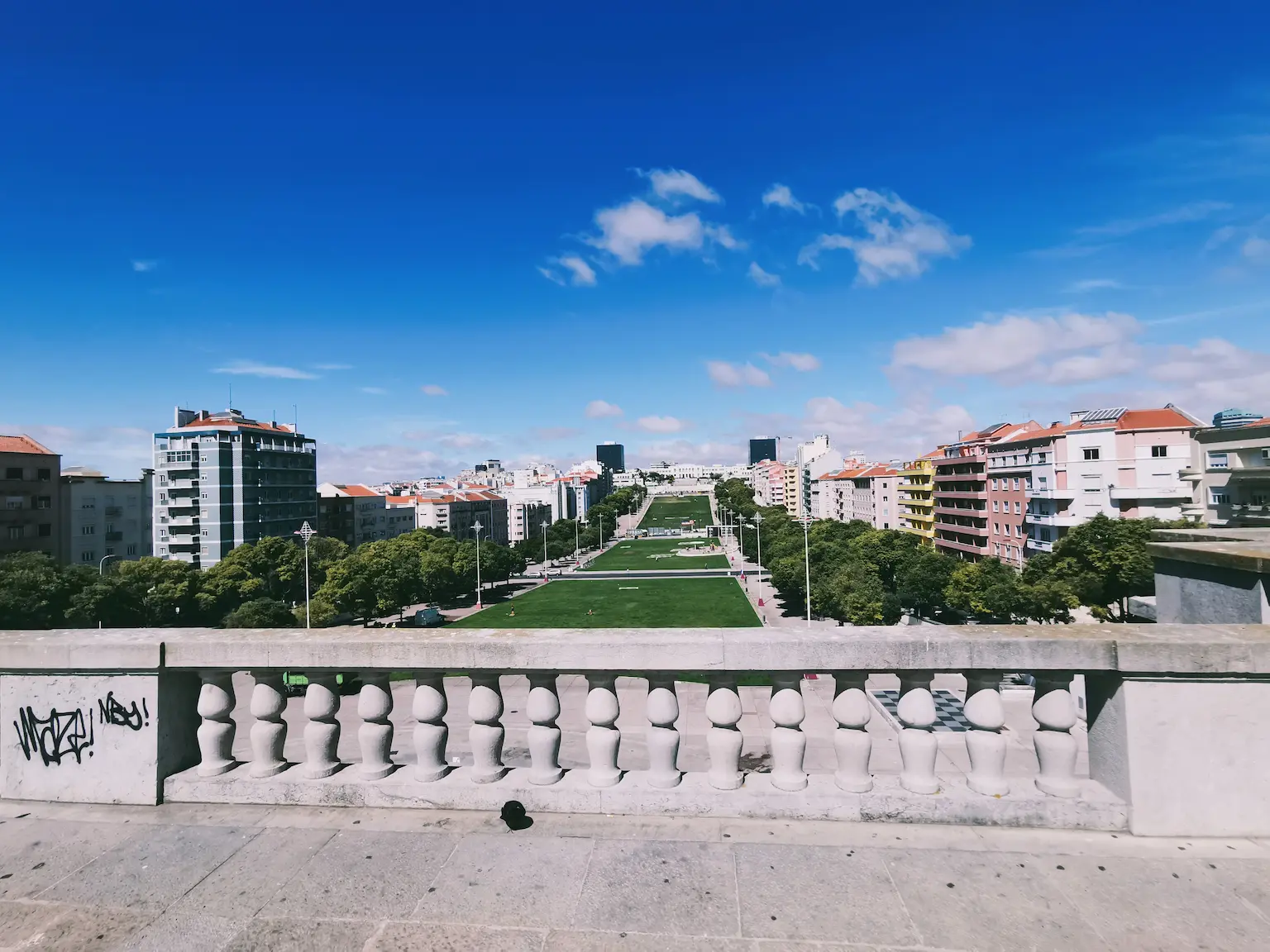
Parque das Nações offers perhaps the clearest example of modern Lisbon, with contemporary architecture, wide avenues and riverside living.
Prices vary considerably between these neighborhoods.
So do lifestyles.
Sometimes paying slightly less also means discovering a side of Lisbon visitors rarely see.
Is buying still worth it?
There is no universal answer.
Buying can make sense if you’re planning to stay for many years and can comfortably finance the purchase.
For shorter stays, renting often provides more flexibility.
Some buyers continue viewing Lisbon as a long-term investment because demand remains strong and new construction struggles to satisfy it.
Others believe price growth will naturally slow after such a remarkable decade.
Nobody knows exactly what the market will look like five years from now.
Cities have a habit of surprising everyone.
Government action
Housing has become one of Portugal’s biggest political priorities.
Authorities have introduced measures intended to increase the supply of long-term rentals, limit pressure from short-term accommodation in some areas and encourage more affordable housing developments.
Some programmes have helped.
Others remain controversial.
Most experts agree on one point.
Housing shortages cannot be solved overnight.
Is Lisbon still affordable?
That depends entirely on which question you’re asking.
Affordable compared with London?
Often yes.
Affordable compared with Zurich?
Definitely.
Affordable for someone earning a typical Portuguese salary?
For many households, no.
The same apartment can appear remarkably cheap to one person and painfully expensive to another.
Income changes everything.
Living in Lisbon on different budgets
Someone earning €2,000 per month may need to share accommodation or live outside the historic centre.
At €3,500, far more options become available.
At €5,000 or more, Lisbon offers a lifestyle that would cost considerably more in many Northern European capitals.
This is one reason the city continues attracting international professionals despite rising prices.
Looking beyond central Lisbon
One fascinating trend is that Lisbon keeps expanding without actually expanding.
Neighboring municipalities have become increasingly attractive.
Excellent public transport allows residents to live slightly farther from the historic centre while enjoying significantly lower housing costs.
Places once considered “outside Lisbon” now feel connected to the city’s daily life.
As transport improves, these areas become increasingly appealing for families and first-time buyers.