
There are two Lisbons.
The one everyone photographs. Tram 28 squeezing through impossibly narrow streets. Yellow façades glowing beneath the afternoon sun. Fado drifting through Alfama. Tourists chasing viewpoints before the next pastel de nata.
And then there’s the Lisbon that quietly keeps reinventing itself.
A Lisbon of brick warehouses, giant murals, experimental restaurants, independent breweries, artists converting abandoned factories into studios, and entrepreneurs building tomorrow inside yesterday’s industrial buildings.
Welcome to Marvila.
If Lisbon were a vinyl record, Marvila would be the hidden B-side. Less polished. Less predictable. Surprisingly addictive.
Once dismissed as an industrial district on the eastern edge of the city, Marvila has become one of Lisbon’s most exciting neighborhoods. Not because someone decided it should. Because hundreds of creative people gradually moved in, finding space where space still existed.
Today you’ll discover award-winning craft breweries next to century-old warehouses, contemporary architecture beside forgotten factories, riverside promenades, local cafés, art galleries, and a neighborhood still figuring out what it wants to become.
This guide explores everything you need to know before visiting Marvila, whether you’re spending an afternoon brewery hopping, searching for Lisbon’s newest culinary hotspots, or simply curious about the city’s fastest-changing district.
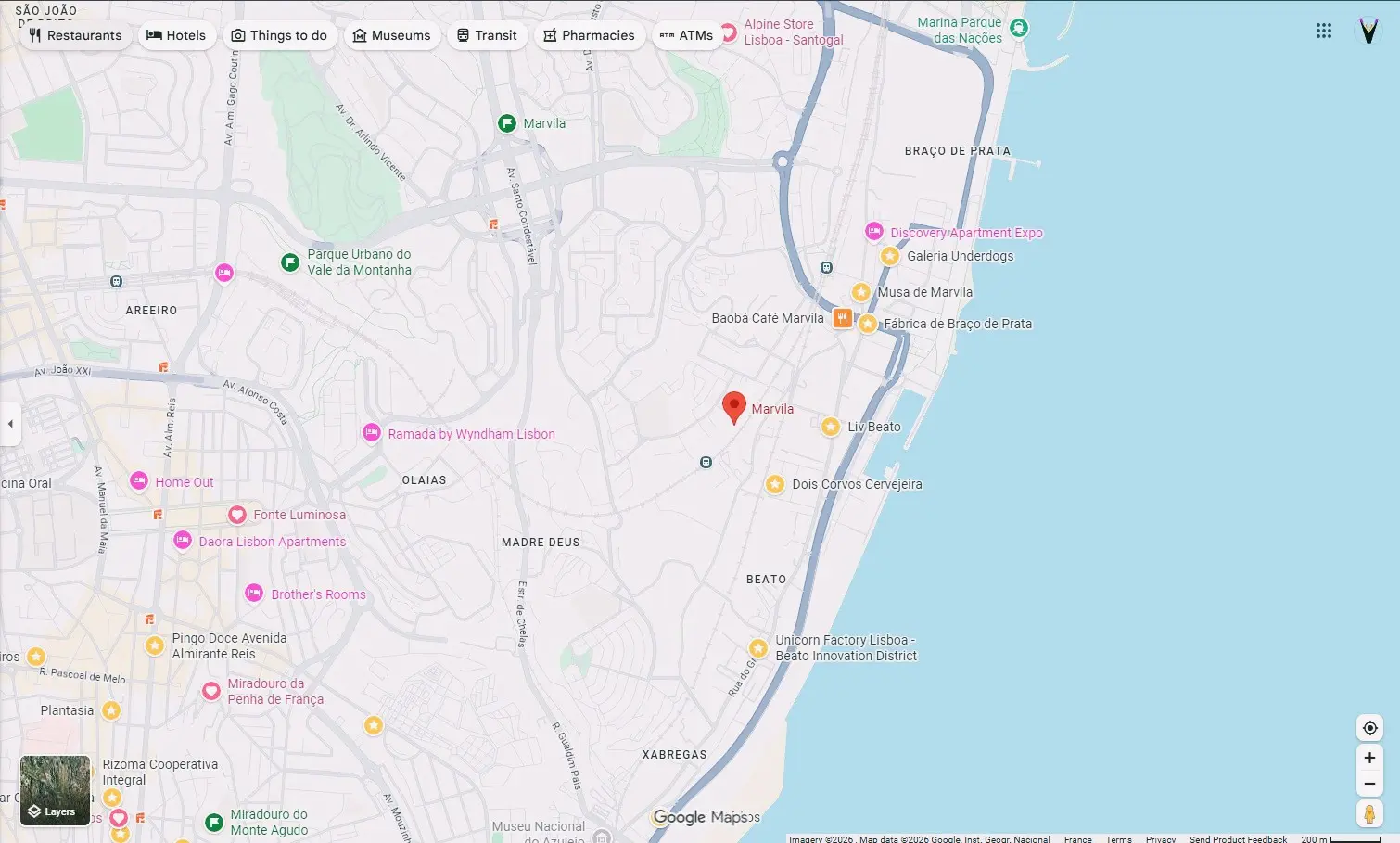
Marvila sits in eastern Lisbon, stretching between the Tagus River and the residential districts further inland.
It borders Parque das Nações to the north, Beato to the west, and enjoys excellent connections through Oriente Station, making it surprisingly accessible despite feeling worlds away from downtown Lisbon.
From Baixa or Chiado, expect around 20 to 30 minutes by metro, bus, Uber, or bicycle.
That slight distance is part of its charm.
Unlike central Lisbon, Marvila never had to perform for visitors. It grew around factories, railways, logistics, and workers rather than tourism. Even today, many streets remain wonderfully quiet, interrupted only by cyclists, locals walking dogs, and the occasional brewery crowd spilling onto warehouse terraces.
The story of Marvila mirrors Lisbon’s evolution.
Centuries ago, this area consisted largely of farmland, vineyards and religious estates. The fertile land along the Tagus supplied produce to the growing capital.
Everything changed during the Industrial Revolution.
Factories arrived.
Warehouses multiplied.
Railways connected production sites with Lisbon’s expanding port.
By the twentieth century, Marvila had become one of Portugal’s industrial engines. Textile mills, food processing plants, military facilities and manufacturing businesses shaped both the skyline and the lives of thousands of workers.
Then, like many industrial districts across Europe, decline arrived.
Factories closed.
Buildings emptied.
Investment slowed.
For years, Marvila existed in a kind of urban pause. Not abandoned, but waiting.
That waiting created something precious.
Space.
And in cities, space almost always attracts imagination.
Unlike neighborhoods transformed overnight by massive redevelopment projects, Marvila evolved organically.
Artists arrived because studios were affordable.
Brewers arrived because warehouses were large.
Designers appreciated the industrial aesthetic.
Restaurants discovered they could experiment without paying Chiado rents.
The result feels remarkably authentic.
Walking through Marvila doesn’t resemble strolling through an outdoor museum. It feels like entering a workshop where Lisbon is still being assembled.
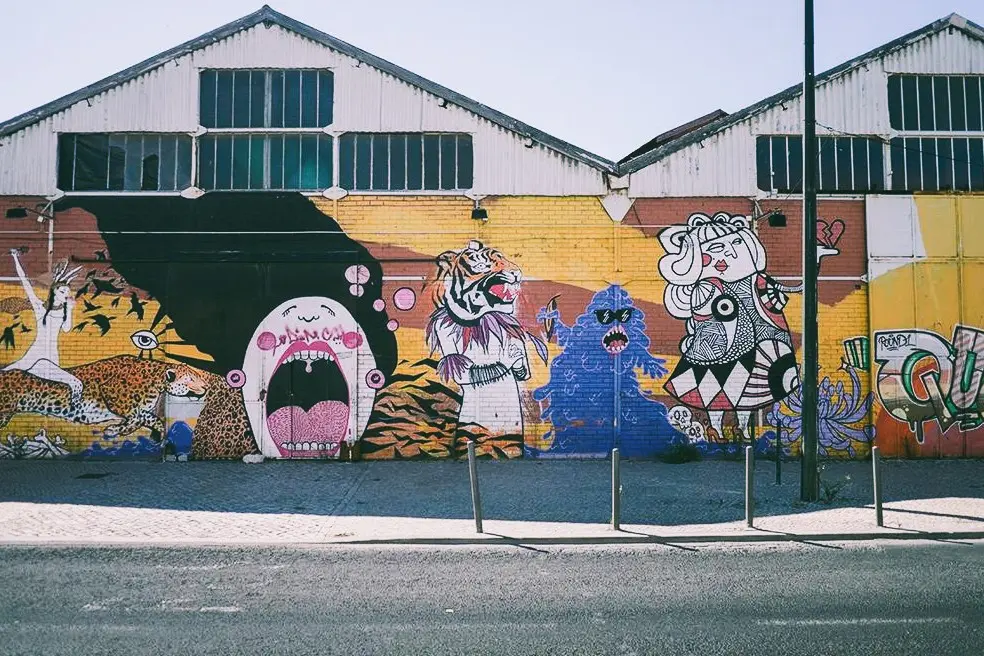
One street may feature century-old brick warehouses covered in colorful murals.
The next reveals minimalist cafés serving specialty coffee.
Further along, contemporary apartment buildings overlook former industrial complexes waiting for their next chapter.
It’s wonderfully unfinished.
And that’s exactly the point.
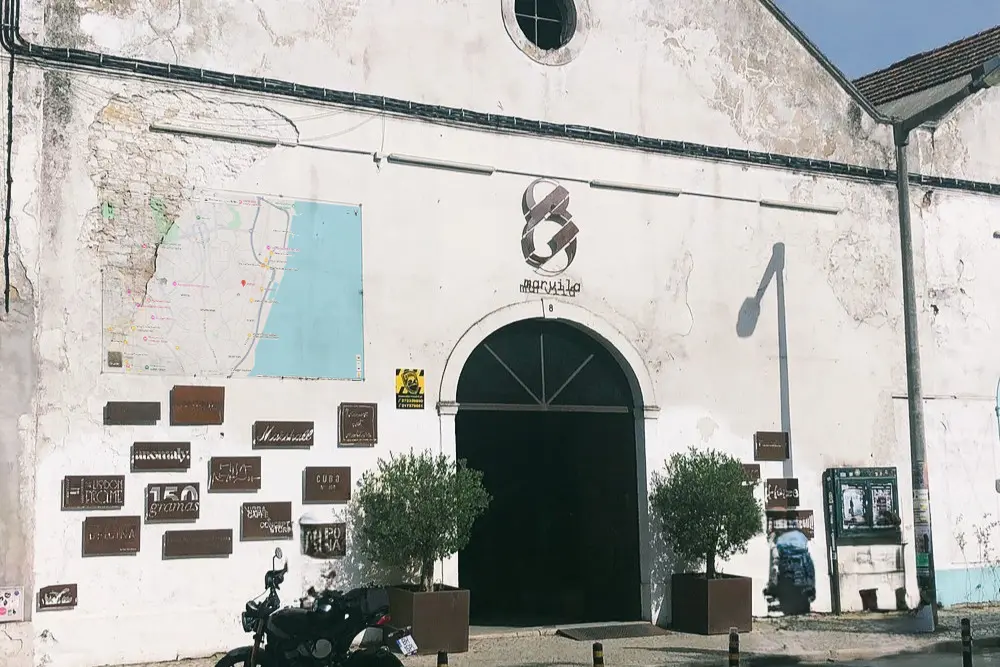
If one place symbolizes modern Marvila, it’s 8 Marvila.
Rather than demolishing industrial heritage, developers embraced it.
The result is a lively creative complex where restaurants, bars, boutiques, coworking spaces, exhibitions and events coexist beneath soaring warehouse ceilings.
Visit during the afternoon to browse independent shops.
Return in the evening when the atmosphere shifts. Conversations spill onto terraces, music drifts through open spaces, and the building becomes one of Lisbon’s most interesting social hubs.
Unlike shopping malls, 8 Marvila feels alive.
Its imperfections are part of the architecture.
Marvila has quietly become Portugal’s craft beer headquarters.
Within walking distance you’ll find several independent breweries, each with its own personality.
Among the most popular:
Each produces small-batch beers ranging from crisp lagers to adventurous sour ales and bold IPAs.
Even visitors who don’t consider themselves beer enthusiasts often enjoy the relaxed warehouse atmosphere.
It’s less about drinking.
More about lingering.
Large communal tables encourage conversations between locals, digital nomads, artists and curious travelers who all somehow ended up in the same converted factory.
One of Marvila’s underrated pleasures is simply walking.
The riverside continues improving year after year, offering wide paths perfect for cycling, jogging or watching ferries cross the Tagus.
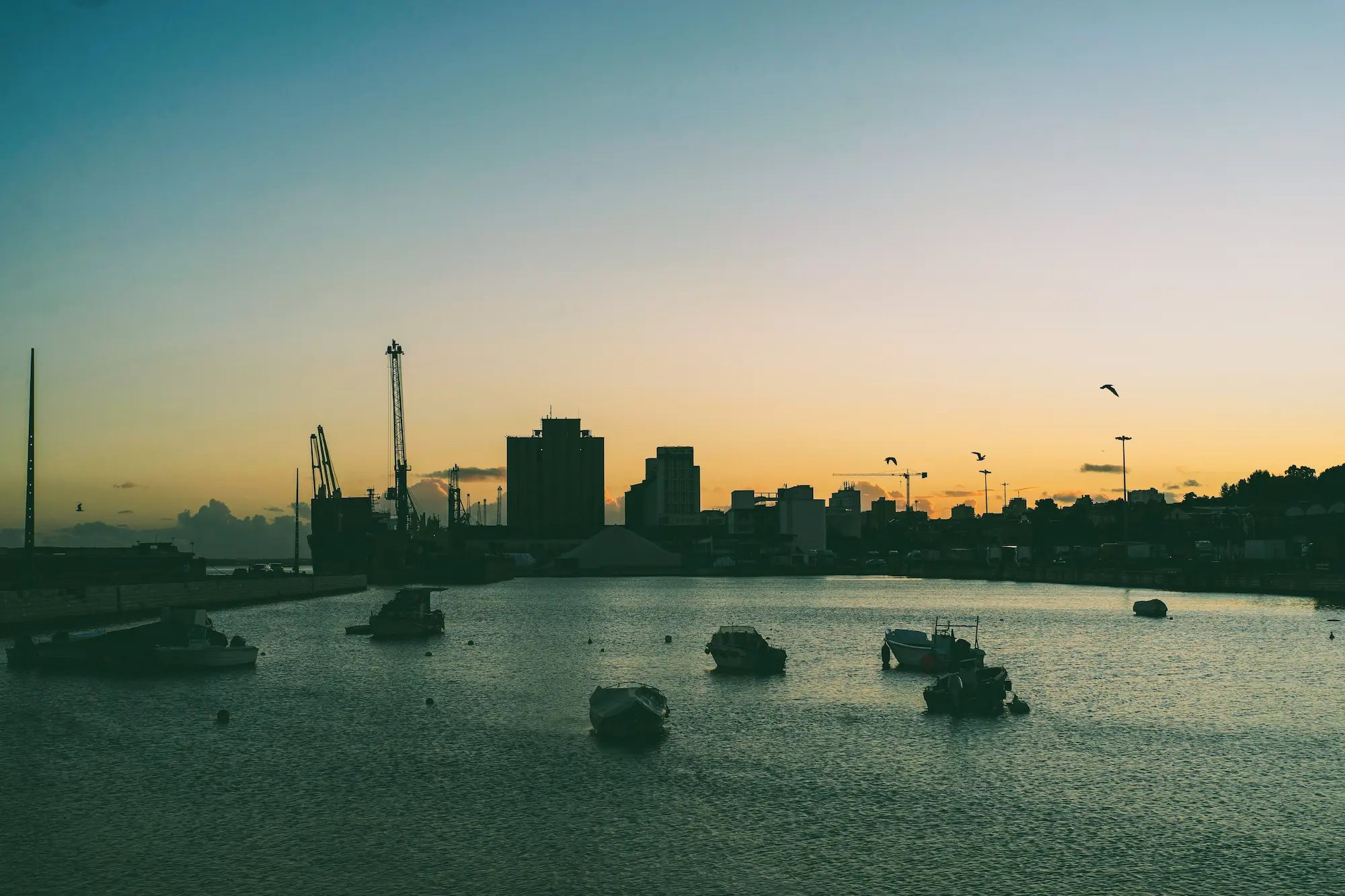
Sunsets here unfold differently than in central Lisbon.
Instead of historic rooftops, the light reflects against industrial cranes, modern apartment buildings and open water.
It’s quieter.
More spacious.
Less crowded.
Sometimes that’s exactly the version of Lisbon you didn’t know you needed.
Marvila wears its creativity outdoors.
Large-scale murals transform former industrial walls into enormous canvases.
Unlike organized street art districts elsewhere, discovering murals here still feels spontaneous.
Turn a corner.
Look up.
An abandoned warehouse suddenly becomes one of Lisbon’s largest public art galleries.
Photography enthusiasts could easily spend half a day wandering without any specific destination.
Housed inside a former military factory, this cultural institution perfectly captures Marvila’s identity.
Books.
Concerts.
Talks.
Art.
Food.
Live music.
Everything happens under one roof.
On some evenings you’ll encounter jazz.
On others, experimental theatre or independent cinema.
It embodies the neighborhood’s refusal to fit neatly into a single category.
Food has become another reason people cross the city.
Rather than traditional tourist restaurants, Marvila attracts chefs interested in experimentation.
You’ll discover:
Many occupy former industrial buildings where concrete floors, exposed brick and steel beams remain intentionally visible.
Dining here feels refreshingly different from Lisbon’s postcard restaurants.
Nightlife in Marvila doesn’t resemble Bairro Alto.
Instead of dozens of tiny bars packed shoulder-to-shoulder, evenings unfold more gradually.
People gather in brewery taprooms.
Warehouse courtyards fill with conversation.
Pop-up events appear unexpectedly.
Live DJs perform.
Food trucks arrive.
Occasionally you’ll stumble into an exhibition opening that quietly transforms into a dance party.
Marvila rewards curiosity more than planning.
Few Lisbon neighborhoods display such dramatic contrasts.
Historic workers’ housing sits beside ultra-modern residential developments.
Industrial warehouses coexist with minimalist glass buildings.
Perhaps the most ambitious example is Prata Riverside Village, designed by architect Renzo Piano.
Its contemporary architecture introduces a very different vision for Marvila.
Some celebrate the investment.
Others worry about affordability.
Both perspectives coexist, making Marvila one of Lisbon’s most fascinating urban discussions.
Yes.
Like anywhere in Lisbon, common sense applies.
During the day, the neighborhood feels relaxed and residential.
Evenings around breweries and cultural venues remain lively.
Some industrial streets become quiet after dark, simply because there are fewer residents, not because they’re particularly unsafe.
Ride-sharing services remain inexpensive should you prefer returning to central Lisbon late at night.
Among locals, Marvila increasingly represents opportunity.
Young professionals appreciate larger apartments.
Families enjoy wider streets.
Digital nomads discover coworking spaces without downtown prices.
Developers see enormous long-term potential.
Naturally, prices have risen significantly.
Yet compared with neighborhoods like Príncipe Real or Chiado, Marvila often still offers comparatively better value.
Whether that remains true over the next decade is one of Lisbon’s biggest urban questions.
Digital nomads frequently search for neighborhoods balancing authenticity with modern infrastructure.
Marvila checks many boxes.
Reliable transport.
Specialty coffee.
Coworking options.
Creative atmosphere.
Excellent restaurants.
Fast internet.
Fewer tourists.
It’s particularly attractive for longer stays when experiencing everyday Lisbon becomes more appealing than collecting landmarks.
The beauty of Marvila lies between attractions.
An old railway crossing.
A forgotten warehouse door covered in ivy.
A tiny café where everyone already knows each other’s names.
Unexpected gardens.
Independent furniture workshops.
Artists painting with warehouse doors wide open.
These aren’t destinations you’ll find on maps.
They’re discoveries.
The neighborhood rewards wandering more generously than almost anywhere else in Lisbon.
If it’s your first visit:
Start with coffee at a specialty café.
Explore 8 Marvila.
Walk toward the riverside.
Stop for lunch.
Visit a brewery.
Continue exploring murals and industrial architecture.
Finish with dinner before returning downtown.
If you’re visiting on a weekend, allow extra time.
You’ll almost certainly find an exhibition, food market, live concert or community event that wasn’t part of your original plan.
Cities constantly change.
Sometimes change erases identity.
Sometimes it strengthens it.
Marvila sits delicately between those possibilities.
Its industrial heritage remains visible.
Its creative future continues unfolding.
The neighborhood hasn’t become a polished destination pretending the past never happened.
Instead, it layers new ideas over old foundations.
Factories become breweries.
Warehouses become galleries.
Railway districts become riverside promenades.
History isn’t replaced.
It’s repurposed.
That makes Marvila feel unusually honest.
Absolutely, especially if you’ve already explored Lisbon’s historic center and want to discover a more contemporary side of the city.
A half day is enough to experience its highlights, while a full day allows time for breweries, restaurants, galleries and riverside walks.
Generally, restaurants and cafés remain slightly more affordable than central tourist districts, although prices continue to rise as the neighborhood develops.
Yes. The walk takes around 30 to 40 minutes and follows an increasingly attractive eastern section of Lisbon.
Yes. Wide streets, riverside paths and quieter surroundings make it surprisingly pleasant for families during the day.
Lisbon doesn’t stop evolving once you’ve seen Belém Tower or climbed to São Jorge Castle.
Its most exciting chapters are often written away from the postcard views.
Marvila captures that spirit perfectly.
It doesn’t ask visitors to admire what the city once was.
It invites them to witness what the city is becoming.
Some neighborhoods preserve history.
Others manufacture the future.
Marvila somehow manages both at once.
If you leave Lisbon having only explored its historic districts, you’ll understand where the city came from.
Spend an afternoon in Marvila, and you’ll begin to glimpse where it’s headed.