
Not every Lisbon adventure has to begin with a tram ride.
Sometimes, the city’s most memorable experiences start in a former warehouse with a good coffee.
Marvila isn’t a neighborhood built around ticking off landmarks. There are no queues stretching around monuments, no carefully choreographed sightseeing routes, and no pressure to rush from one attraction to the next. Instead, it invites you to slow down, wander a little, and let curiosity steer the day.
If you have four to six hours to spare, this itinerary will help you discover the very best of Marvila without feeling rushed. It’s a route designed for travelers who enjoy architecture, street art, local food, craft beer, riverside walks, and discovering the Lisbon that many visitors never see.
Whether you’re visiting on your first trip to Portugal or returning to Lisbon in search of something different, this half-day itinerary offers a refreshing change of pace.
Recommended time: 30 to 45 minutes
Every good day in Lisbon begins with coffee.
Marvila’s café scene reflects the neighborhood itself: independent, creative, and refreshingly unpretentious. Forget the polished chains. Here, you’ll find cafés tucked inside former industrial buildings, where exposed brick walls, steel beams, and minimalist interiors create spaces that feel both contemporary and welcoming.
Order a flat white, espresso, or Portugal’s classic bica, then take a few moments to observe your surroundings.
You’ll likely notice artists sketching ideas, freelancers working remotely, cyclists stopping in after a morning ride, and locals chatting over pastries. Marvila’s cafés aren’t simply places to grab caffeine. They’re part of the neighborhood’s social fabric.
If you’re visiting on a weekday, mornings are particularly peaceful.
Local tip: Pair your coffee with a pastel de nata or a fresh pastry from a nearby bakery before setting off.
Recommended time: 1 hour
From your café, make your way to 8 Marvila, one of the neighborhood’s defining landmarks.
Calling it a shopping center would be misleading.
Calling it an art space wouldn’t tell the whole story either.
It’s best described as a creative village built inside a former warehouse.
Restaurants, boutiques, design stores, galleries, event spaces, and pop-up exhibitions all coexist under soaring industrial ceilings. Every visit feels slightly different depending on what’s happening that week. One afternoon you might stumble upon a local craft market. Another day, a photography exhibition or live DJ set.
Take your time wandering through the various spaces.
Look up.
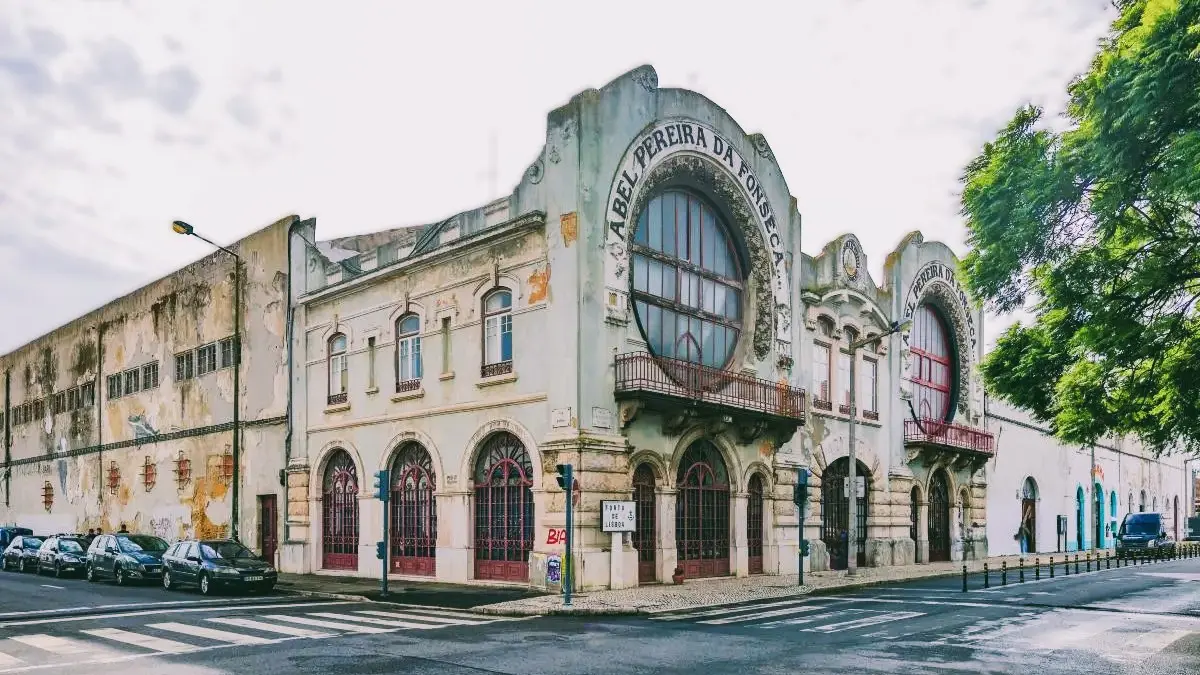
Many visitors spend so much time browsing the shops that they forget to appreciate the building itself. The exposed concrete, steel beams, and enormous windows tell the story of Marvila long before its creative rebirth.
This is also an excellent place to pick up locally designed souvenirs that feel far more distinctive than the magnets and cork products found in Lisbon’s busiest tourist districts.
Recommended time: 45 minutes
Now it’s time to leave the buildings behind and explore the streets.
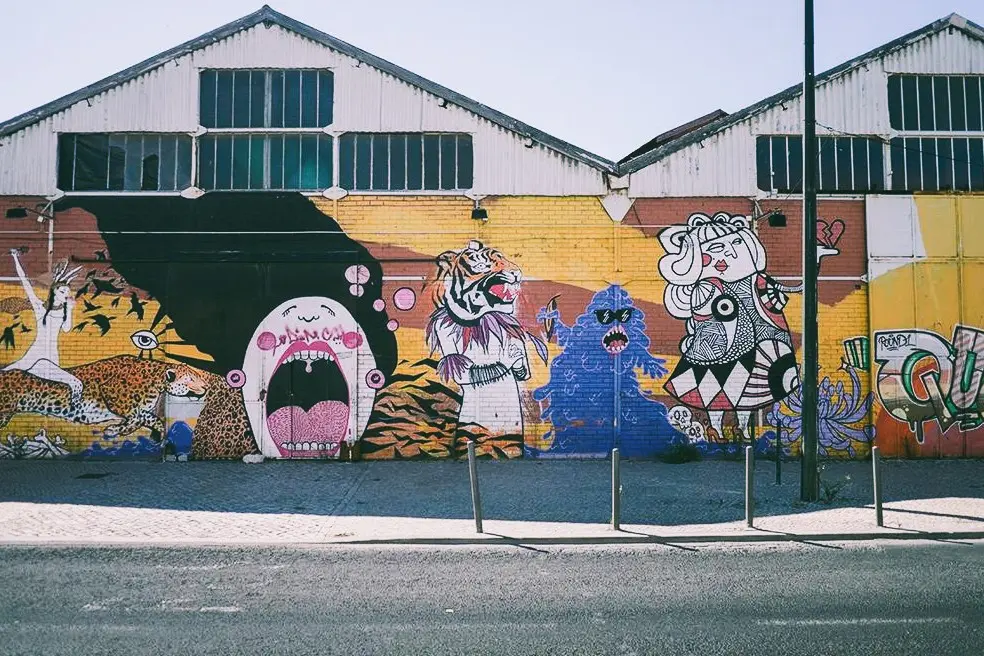
Marvila has become one of Lisbon’s most interesting neighborhoods for urban art. Large warehouse walls have turned into giant canvases, creating an open-air gallery that changes every year.
The beauty is that there’s no official route.
Instead, allow yourself to wander.
Turn down streets that look interesting.
Walk around former factories.
Look beyond the obvious.
Some of the neighborhood’s most impressive murals aren’t signposted at all.
Unlike museum art, these pieces exist within everyday life. A vibrant mural may overlook a quiet residential street or sit opposite a working warehouse. That contrast is part of what makes Marvila so compelling.
Photography enthusiasts should bring a wide-angle lens or ensure their phone has plenty of storage.
You’ll probably need it.
Recommended time: 45 to 60 minutes
After exploring Marvila’s industrial streets, head toward the river.
The atmosphere changes almost immediately.
Buildings begin to open up.
The horizon expands.
The Tagus comes into view.
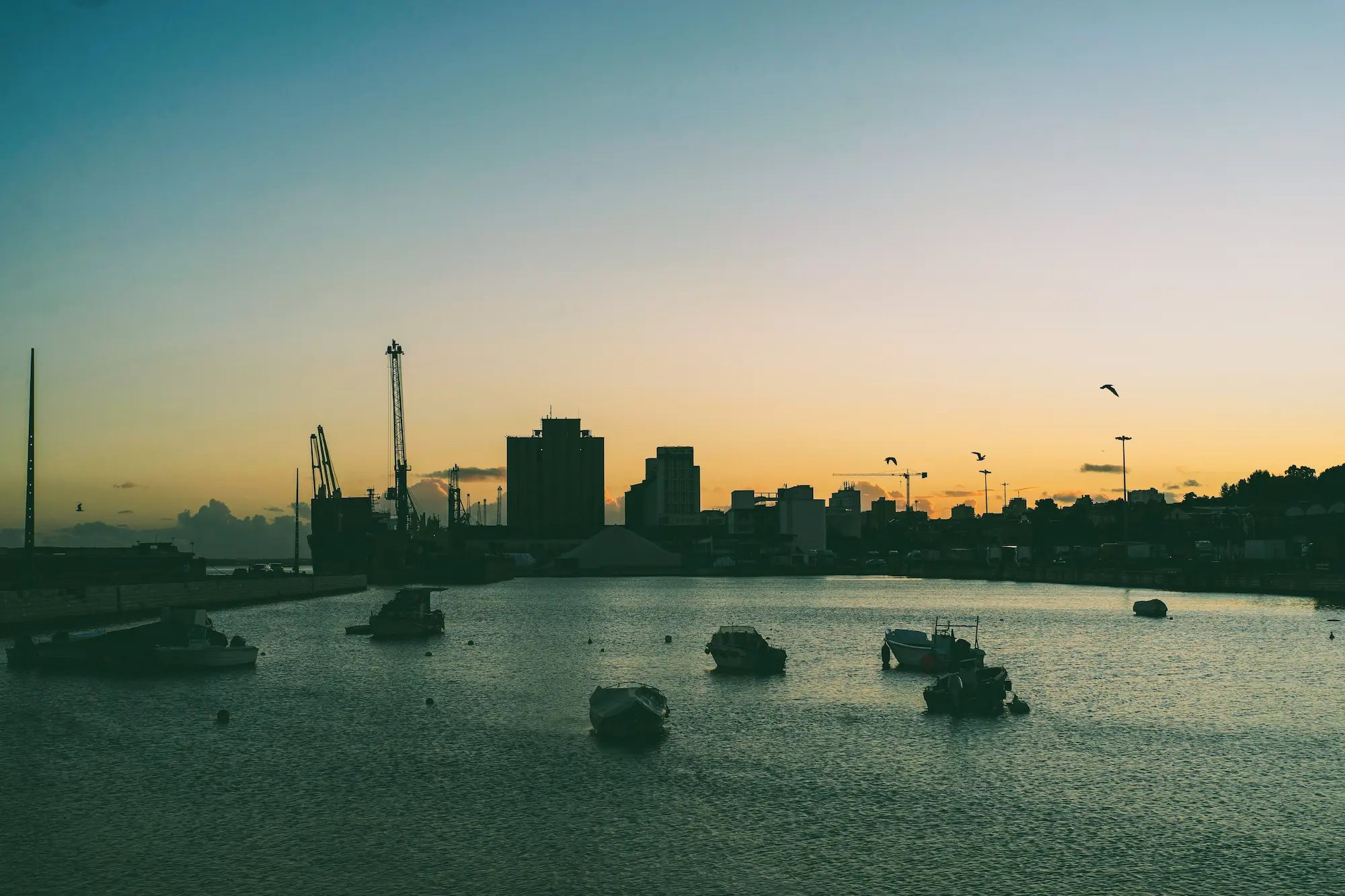
The riverside isn’t yet as famous as Belém or Parque das Nações, but that’s precisely why many locals prefer it. Wide pedestrian paths, cyclists gliding past, fishing boats in the distance, and uninterrupted views across the water create a surprisingly peaceful setting.
Find a bench.
Watch the ferries cross the river.
Take a deep breath.
This quieter side of Lisbon often surprises visitors who associate the city with steep hills and crowded viewpoints.
If you’re visiting in the late afternoon, the sunlight reflecting off the water creates beautiful photography conditions.
Recommended time: 1 hour
By now you’ve probably earned lunch.
Fortunately, Marvila has become one of Lisbon’s most exciting culinary neighborhoods.
Rather than traditional tourist menus, many restaurants focus on seasonal ingredients, contemporary Portuguese cooking, and creative international influences.
Depending on your mood, you might choose:
Many dining spaces preserve their industrial heritage with exposed brick walls, steel columns, and high warehouse ceilings.
The result feels distinctly Marvila.
Relaxed.
Creative.
Unpretentious.
If the weather allows, choose an outdoor terrace and enjoy the slower rhythm of the neighborhood.
Recommended time: 1 to 2 hours
You can’t really visit Marvila without experiencing its craft beer culture.
Over the past decade, the neighborhood has quietly become Portugal’s brewing capital.
Several independent breweries operate within walking distance of one another, making it easy to sample different styles without traveling across the city.
Whether you prefer crisp lagers, citrusy IPAs, rich stouts, or adventurous sour beers, there’s usually something new on tap.
Even if beer isn’t normally your drink of choice, the breweries themselves are worth visiting.
Most occupy beautifully renovated industrial buildings where communal tables encourage conversation between locals, travelers, and regulars.
The atmosphere is refreshingly relaxed.
No dress code.
No tourist performances.
Just good beer, good conversation, and a neighborhood comfortable being itself.
If your schedule allows, don’t rush back into central Lisbon.
Instead, return to the riverside or find a terrace overlooking the neighborhood.
As the afternoon fades into evening, Marvila changes character once again.
Cyclists head home.
Restaurants begin filling.
Music starts drifting from cultural venues.
The warm light softens the old brick warehouses and modern apartment buildings alike.
It’s a reminder that Marvila isn’t simply a place to visit.
It’s a neighborhood where people genuinely live, work, create, and gather.
Watching the day wind down here feels wonderfully authentic.
Between 4 and 6 hours, depending on how much time you spend in cafés, breweries, or galleries.
Yes. Most attractions are within comfortable walking distance of one another. Wear comfortable shoes, as some pavements remain uneven in places.
Thursday through Sunday generally offer the liveliest atmosphere, with more cultural events, markets, and evening activities. Weekdays are quieter and ideal if you prefer fewer crowds.
It depends on the family. The no T.V type with that indie vibe touch will possibly appreciate it better. Still, the neighborhood also offers wide streets, riverside paths, open spaces, and family-friendly cafés.
Yes. Marvila pairs perfectly with Parque das Nações, thanks to their close proximity. Together, they offer a fascinating contrast between Lisbon’s industrial past and its modern future.